
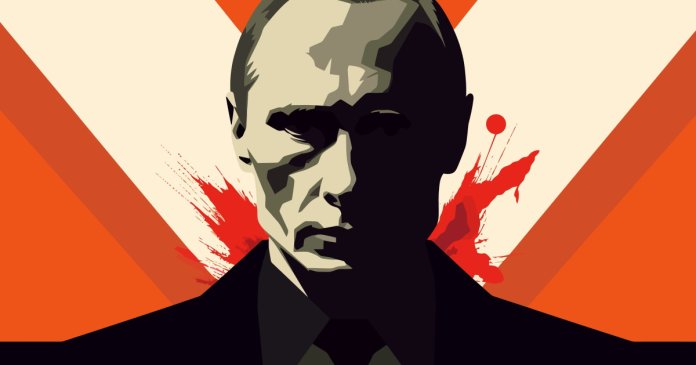

Consequences of the Conflict in Ukraine
Vladimir Putin’s disappearance could significantly affect the conflict in Ukraine, altering the current dynamics of the war. Without Putin’s authoritative leadership and strategic vision, the Russian army might face a lack of coordination and motivation, leading to a decrease in the intensity of military operations. In the absence of clear direction, commanders on the ground may encounter uncertainties regarding the long-term objectives of the intervention in Ukraine, potentially prompting a partial or even complete withdrawal of Russian troops. This scenario could provide Ukraine with an opportunity to strengthen its positions and regain occupied territories. Furthermore, Putin’s absence might pave the way for more fruitful peace negotiations, as a new leader could be more willing to accept compromises to end the conflict. In this context, political changes in the Kremlin could create a window of opportunity for a diplomatic resolution to the crisis, thus contributing to a gradual stabilization of the region.
Potential Political Scenarios in Russia
If Vladimir Putin were to disappear, the political landscape in Russia might enter a phase of transition and instability. One possible scenario could be the emergence of an internal power struggle among various factions within the government and security forces. Without a clear leader, influential groups in the Kremlin, such as siloviki or oligarchs, might attempt to impose their own visions and interests, leading to internal conflicts and a fragmentation of central authority.
Another scenario might involve the rise of a transitional leader who commands the support of the majority of power structures in Russia. This leader could adopt a more moderate approach, seeking to restore internal stability and improve relations with the West. However, the selection of such a leader is not guaranteed, and the process could be complicated and lengthy, fraught with tensions and compromises.
Additionally, there is the possibility that a new leader might continue Putin’s policies, maintaining a hardline stance in both domestic and foreign affairs. This continuity might be favored by certain groups benefiting from the current status quo but could encounter resistance from a Russian populace increasingly dissatisfied with the economic situation and international isolation.
Regardless of which scenario materializes, political changes in Russia could have major implications not only for domestic policy but also for the country’s international relations, directly and indirectly influencing both regional and global stability.
International Community’s Reaction
Vladimir Putin’s disappearance would trigger a varied reaction from the international community, reflecting the complexity of current geopolitical relationships. Firstly, Western countries might view this change as an opportunity to relaunch dialogue with Russia. The United States, the European Union, and their allies could seek to establish new communication channels with a potential new Russian leader, hoping to reduce tensions and find diplomatic solutions to existing issues.
Moreover, NATO could reassess its strategic position in Eastern Europe based on political developments in Russia. The Alliance might adjust its defense plans and reconsider its military presence in the region, depending on the new Russian leadership’s attitude toward European security.
On the other hand, countries that have maintained close economic and political ties with Russia, such as China and India, might adopt a cautious approach. These states could wait to see how the internal situation in Russia stabilizes before recalibrating their bilateral relations. Additionally, they might play a mediating role, trying to promote stability and international cooperation.
Regarding international organizations like the United Nations, they might intensify mediation efforts concerning the conflict in Ukraine, taking advantage of Russia’s potential openness to negotiations. A more active engagement by the UN in this direction could contribute to establishing a diplomatic framework for the peaceful resolution of the crisis.
In conclusion, the international community’s reaction to Putin’s disappearance would be complex and varied, encompassing multiple diplomatic and strategic dimensions that reflect the diverse interests of global and regional actors. This situation could redefine the balance of power and influence significantly.
Economic and Social Consequences
Vladimir Putin’s disappearance could have significant economic and social consequences both in Russia and on the international stage. Firstly, the Russian economy, already affected by international sanctions and high military expenditures, could face a period of uncertainty and volatility. In the absence of clear leadership, financial markets might react negatively, leading to the devaluation of the ruble and an increase in inflation. This unstable economic context could amplify social discontent, contributing to protests and a growing demand for economic and political reforms.
On the other hand, a potential leadership change could open the way for a recalibration of Russia’s economic policies. A new leader, more willing to collaborate with the West, might negotiate a gradual lifting of sanctions, thereby facilitating Russia’s reintegration into the global economy. This could attract foreign investments and stimulate economic growth, improving the living standards of the population.
Socially, Putin’s disappearance could trigger a series of transformations within Russian society. After years of authoritarian rule, civil society might gain more freedom of expression and organization. This could lead to a revitalization of social movements and non-governmental organizations, which could play an active role in promoting democratic reforms and human rights.
At the same time, there is a risk that political instability could lead to increased ethnic and regional tensions, particularly in areas that have been economically and politically marginalized. Managing these tensions will be crucial for maintaining social cohesion and internal stability in Russia.
In conclusion, the economic and social consequences of Putin’s disappearance could be significant.
Sursa articol / foto: https://news.google.com/home?hl=ro&gl=RO&ceid=RO%3Aro